
Education is more than the transfer of knowledge—it is the process through which individuals develop critical thinking, values, skills, and the ability to adapt to a changing world. Across societies, education shapes economic strength, social stability, and innovation by empowering people to understand problems and create solutions.
The Core Purpose of Education
At its core, education aims to prepare individuals for life, not just for exams or careers. It helps learners understand themselves, interact responsibly with others, and contribute meaningfully to society.
Key purposes include:
-
Developing critical and analytical thinking
-
Building ethical values and social responsibility
-
Enhancing communication and problem-solving skills
-
Preparing individuals for employment and lifelong learning
Types of Education Systems
Education takes multiple forms, each serving a specific role in personal and professional development.
Formal Education
Formal education is structured and institution-based, usually following a standardized curriculum.
Examples include:
-
Primary and secondary schooling
-
College and university education
-
Professional and technical programs
Informal Education
Informal education happens outside traditional institutions and often continues throughout life.
Common sources are:
-
Family and community interactions
-
Self-study through books and digital platforms
-
Practical life experiences
Non-Formal Education
Non-formal education bridges the gap between formal and informal learning.
Typical examples include:
-
Skill-development workshops
-
Adult literacy programs
-
Online certification courses
The Role of Teachers in Education
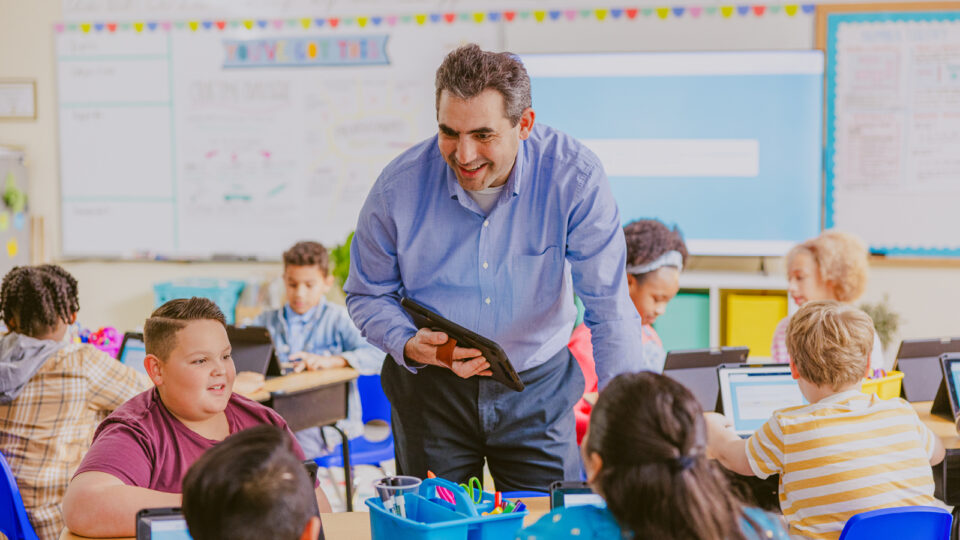
Teachers are central to the educational process. Beyond delivering content, they act as mentors, facilitators, and role models.
Effective educators:
-
Encourage curiosity and independent thinking
-
Adapt teaching methods to diverse learning styles
-
Create inclusive and supportive learning environments
-
Continuously update their own knowledge and skills
Technology and Modern Education
Technology has transformed how education is delivered and accessed. Digital tools have expanded learning beyond classroom walls.
Major impacts of technology include:
-
Access to online learning platforms and virtual classrooms
-
Use of interactive tools such as simulations and educational apps
-
Personalized learning through data-driven insights
-
Greater inclusion for learners with disabilities
Challenges Facing Education Today
Despite its importance, education systems worldwide face significant challenges that require thoughtful solutions.
Key challenges include:
-
Unequal access to quality education
-
Gaps in digital infrastructure
-
Outdated curricula that lag behind industry needs
-
Teacher shortages and burnout
Addressing these challenges requires collaboration between governments, institutions, educators, and communities.
The Importance of Education for Society
Education plays a vital role in shaping peaceful, productive, and informed societies.
Societal benefits include:
-
Reduced poverty and unemployment
-
Improved public health and civic engagement
-
Stronger democratic participation
-
Increased innovation and economic growth
An educated population is better equipped to make informed decisions and respond to global challenges.
The Future of Education
The future of education is likely to focus on flexibility, relevance, and lifelong learning. As industries evolve, education must adapt to prepare learners for roles that may not yet exist.
Emerging trends include:
-
Competency-based learning
-
Blended and hybrid education models
-
Greater emphasis on soft skills
-
Continuous upskilling and reskilling
Frequently Asked Questions (FAQs)
1. Why is education considered essential for personal development?
Education helps individuals develop critical thinking, confidence, ethical values, and skills needed to navigate personal and professional life effectively.
2. How does education contribute to economic growth?
An educated workforce increases productivity, innovation, and entrepreneurship, which strengthens national and global economies.
3. What is the difference between formal and informal education?
Formal education follows structured curricula in institutions, while informal education occurs naturally through life experiences and self-learning.
4. How has technology changed the education system?
Technology has expanded access to learning, enabled remote education, and allowed for more personalized and interactive teaching methods.
5. What are the biggest challenges in education today?
Major challenges include inequality in access, lack of resources, outdated curricula, and insufficient teacher support.
6. Why is lifelong learning important?
Lifelong learning helps individuals adapt to changing job markets, improve skills, and stay relevant in a rapidly evolving world.
7. How can education systems become more inclusive?
Education systems can improve inclusivity by adopting flexible teaching methods, using assistive technologies, and ensuring equal access for all learners.
