
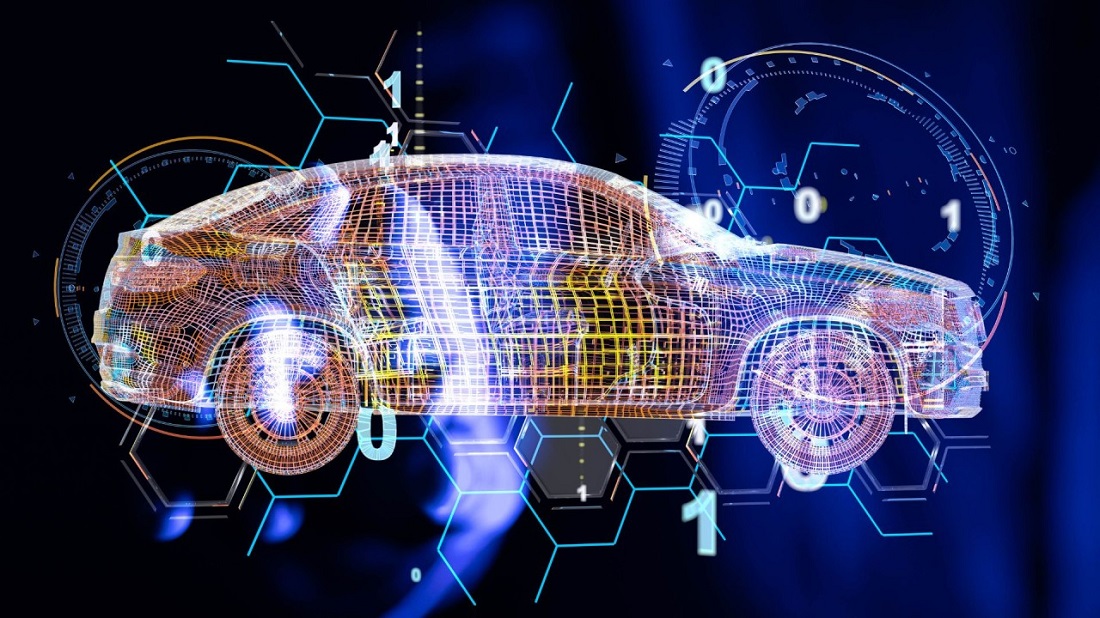
The auto industry is evolving faster than at any point in history. From electric drivetrains to intelligent safety systems, modern vehicles are no longer just machines for transportation—they are connected, software-driven platforms designed around efficiency, comfort, and safety. Understanding these changes helps buyers make smarter decisions and prepares drivers for what’s coming next.
How Modern Automobiles Have Evolved
Automobiles have transitioned from purely mechanical systems to digitally enhanced mobility solutions. Today’s vehicles integrate electronics, sensors, and software to optimize performance and improve the driving experience.
Key areas of evolution include:
-
Advanced engine management systems
-
Lightweight materials for improved fuel efficiency
-
Integrated infotainment and connectivity features
This shift has also changed how cars are manufactured, serviced, and updated over their lifespan.
The Rise of Electric and Hybrid Vehicles
One of the most significant transformations in the auto sector is the move toward electric vehicles (EVs) and hybrid cars. Environmental regulations, rising fuel costs, and consumer awareness have accelerated adoption worldwide.
Benefits of electric and hybrid vehicles
-
Lower emissions and reduced environmental impact
-
Decreased fuel and maintenance costs
-
Quieter operation and smoother acceleration
Battery technology continues to improve, offering longer ranges and faster charging times than ever before.
Automotive Safety: Smarter and More Proactive
Safety has become a central focus in vehicle design. Modern cars are equipped with systems that actively work to prevent accidents rather than just protect occupants during a crash.
Common advanced safety features include:
-
Automatic emergency braking
-
Lane departure warnings and assist
-
Adaptive cruise control
-
Blind-spot monitoring
These technologies rely on cameras, radar, and sensors to continuously monitor driving conditions.
Connectivity and In-Car Technology
Today’s drivers expect their vehicles to feel like an extension of their digital lives. Smart dashboards, voice assistants, and mobile app integration have become standard in many models.
Popular in-car tech features:
-
Touchscreen infotainment systems
-
Smartphone integration
-
Over-the-air software updates
-
Real-time navigation and traffic alerts
This connectivity enhances convenience while also enabling manufacturers to improve vehicles through software updates.
Maintenance in the Modern Auto Era
Advancements in engineering have reduced the frequency of traditional maintenance tasks, but regular care is still essential. Modern vehicles often include predictive maintenance alerts, notifying drivers before issues become serious.
Best practices for vehicle upkeep:
-
Follow manufacturer-recommended service intervals
-
Monitor tire pressure and brake health
-
Keep software and firmware updated
-
Address warning lights promptly
Preventive maintenance remains the most cost-effective way to extend vehicle life.
What the Future Holds for the Auto Industry
The future of automobiles is being shaped by automation, electrification, and sustainability. Self-driving technology, alternative fuels, and shared mobility models are already in development and testing phases.
Emerging trends to watch:
-
Autonomous and semi-autonomous driving systems
-
Expanded charging infrastructure
-
Increased use of recycled and eco-friendly materials
-
Subscription-based vehicle features
These innovations aim to make transportation safer, cleaner, and more accessible.
Frequently Asked Questions (FAQ)
1. How long do electric car batteries typically last?
Most modern EV batteries are designed to last 8–15 years, depending on usage, climate, and charging habits.
2. Are hybrid cars better than fully electric vehicles?
Hybrids offer flexibility for drivers not ready to rely solely on charging infrastructure, while EVs provide zero-emission driving.
3. Do advanced safety features replace the need for careful driving?
No. Safety systems assist drivers, but attentive and responsible driving is still essential.
4. Is vehicle software updating important?
Yes. Updates can improve performance, fix bugs, and enhance security and safety features.
5. Are modern cars more expensive to maintain?
While repair costs can be higher, reduced service frequency and improved reliability often balance long-term expenses.
6. Will gasoline cars disappear completely?
Gasoline vehicles are expected to decline gradually, but they will likely coexist with electric options for many years.
7. What should first-time buyers prioritize in a new car?
Safety features, fuel efficiency, total ownership cost, and reliability should be top priorities.
