
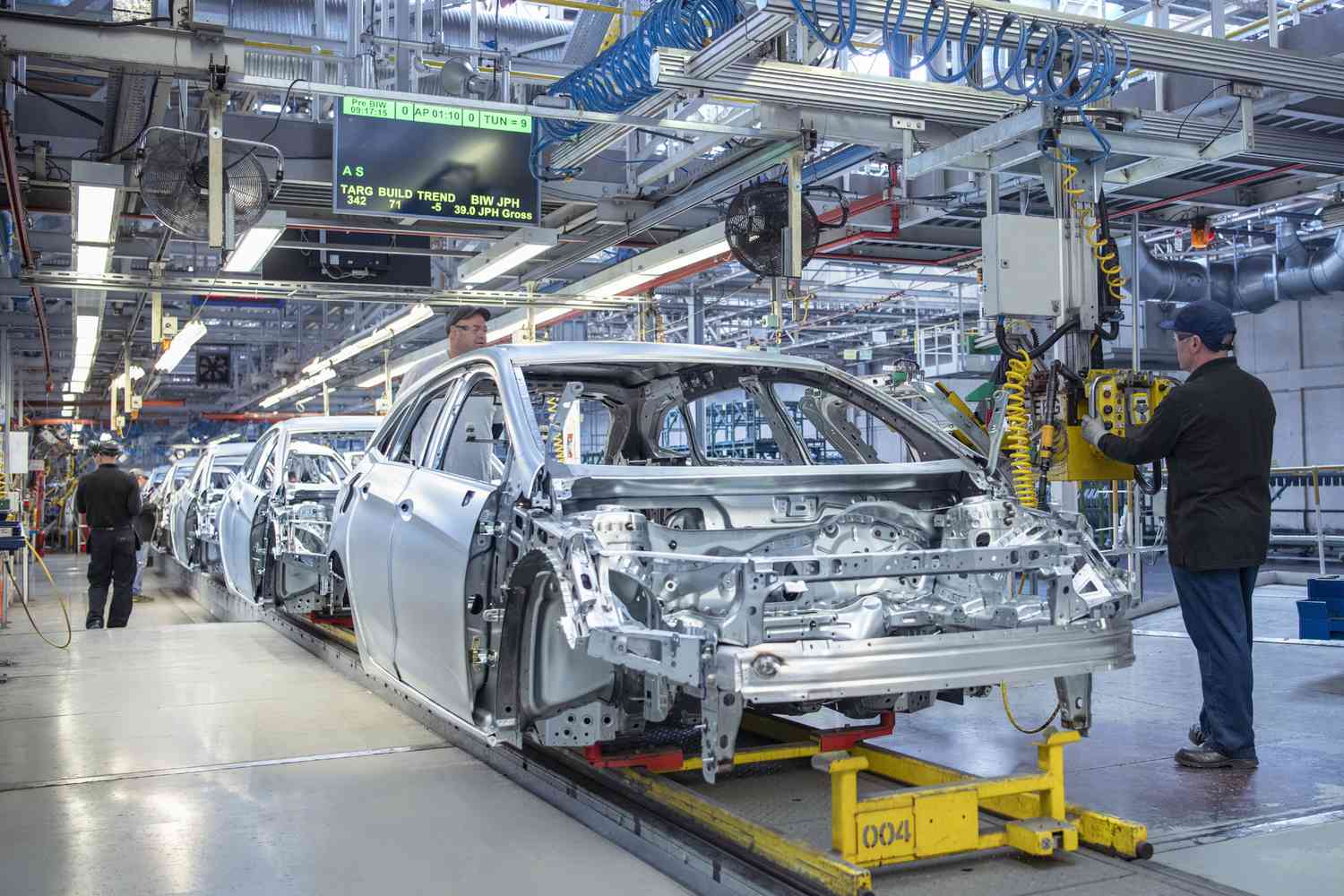
The auto industry has always been one of the most dynamic sectors in the global economy. From the early days of motor vehicles to the cutting-edge technology seen in today’s models, the sector continues to influence modern life, urban development, and the global economy. As the world transitions toward sustainability, connectivity, and automation, the future of the auto industry is undergoing rapid transformation.
In this article, we will explore how the auto sector is evolving, the challenges it faces, and the opportunities that lie ahead.
Evolution of the Auto Industry
The history of the auto industry spans over a century, beginning with mechanical breakthroughs that enabled mass production. The introduction of assembly line manufacturing changed how vehicles were produced, making them accessible to ordinary households. Over time, innovations in design, safety, and performance reshaped public expectations.
Today, the sector is defined by three key trends:
-
Electrification: The global push to reduce carbon emissions has made electric vehicles (EVs) central to the industry’s growth.
-
Digitalisation: Software is becoming just as important as hardware, with cars now functioning as connected devices.
-
Autonomy: The development of self-driving technologies is redefining how vehicles are controlled, maintained, and used.
The Rise of Electric Vehicles
One of the most significant shifts in recent years is the move from internal combustion engines to electric power. Governments are tightening emissions regulations, and consumers are more conscious about sustainability. This has created unprecedented demand for EVs.
However, challenges remain:
-
Battery technology: Current batteries still face limitations in range, cost, and charging speed.
-
Infrastructure: Many regions lack widespread charging facilities, especially in rural areas.
-
Affordability: Although costs are gradually decreasing, EVs remain more expensive than many petrol-based models.
Despite these obstacles, the industry is investing heavily in research, innovation, and infrastructure to accelerate the transition.
Automation and Smart Mobility
The concept of autonomous vehicles is no longer confined to science fiction. Driver assistance systems such as lane-keeping, adaptive cruise control, and emergency braking are now standard in many models.
The next step involves full automation, where vehicles will be capable of navigating without human input. Benefits include:
-
Improved road safety: Reducing accidents caused by human error.
-
Efficiency: Optimised traffic flow reduces congestion.
-
Accessibility: Offering mobility solutions for elderly and disabled individuals.
Nonetheless, regulatory frameworks, ethical debates, and technical complexities continue to slow down widespread adoption.
Sustainability and Green Manufacturing
Beyond electrification, sustainability also applies to how vehicles are manufactured. Companies are increasingly adopting eco-friendly materials, recycling processes, and energy-efficient production techniques.
Key initiatives include:
-
Using lightweight materials to improve fuel efficiency.
-
Recycling metals and plastics to minimise waste.
-
Reducing water and energy usage in production facilities.
This reflects a growing awareness that sustainability is not limited to the product itself but extends across the supply chain.
The Role of Connectivity
Modern vehicles are no longer isolated machines. They are part of a broader digital ecosystem, often described as the “Internet of Vehicles.” Connectivity enables cars to interact with smartphones, navigation systems, and smart cities.
Examples of connected features include:
-
Real-time traffic updates and route optimisation.
-
Remote vehicle monitoring and diagnostics.
-
Over-the-air software updates for enhanced functionality.
-
Integration with home automation systems.
While this offers convenience, it also introduces new cybersecurity risks that manufacturers must address.
Economic and Social Impact
The auto industry is one of the largest employers globally, supporting millions of jobs across manufacturing, engineering, logistics, and sales. As the sector modernises, it will reshape labour markets, creating demand for new skills while reducing reliance on traditional roles.
Socially, cars influence lifestyle choices, urban development, and mobility patterns. The rise of car-sharing and ride-hailing services is changing how people view ownership, particularly among younger generations who prioritise access over possession.
Challenges Facing the Auto Industry
While the future looks promising, several challenges remain:
-
Global supply chain disruptions: Shortages of critical components, such as semiconductors, highlight the fragility of supply networks.
-
Geopolitical tensions: Trade restrictions and tariffs can affect global production.
-
Consumer expectations: Buyers demand greater value, safety, and innovation, often at lower prices.
-
Transition speed: Moving from petrol to electric and autonomous technology requires heavy investment, and progress varies by region.
Opportunities for Growth
Despite these challenges, opportunities abound:
-
Expanding EV infrastructure to meet rising demand.
-
Leveraging artificial intelligence to enhance driver assistance systems.
-
Exploring hydrogen fuel and alternative energy solutions.
-
Developing shared mobility models that reduce congestion and environmental impact.
-
Focusing on personalised, software-driven features to enhance customer loyalty.
The Future Outlook
The auto industry will continue to be shaped by technological innovation, environmental policies, and consumer preferences. Electrification and automation are no longer optional but essential for long-term survival. The winners in this transformation will be those who can balance affordability, sustainability, and innovation.
FAQs
What is the biggest change in the auto industry right now?
The most significant change is the shift toward electric vehicles and digital transformation, with a strong focus on sustainability and connectivity.
Will petrol and diesel vehicles disappear completely?
Petrol and diesel cars will gradually decline but may not vanish entirely in the near future. Hybrid models and efficient combustion engines may remain in specific markets.
How soon will fully autonomous cars be available?
While advanced driver assistance is already common, fully autonomous vehicles are still under development. Widespread use is expected within the next two decades, depending on regulations and technology.
How does the auto industry impact the economy?
The industry generates millions of jobs and contributes significantly to GDP. It also drives innovation in engineering, manufacturing, and energy solutions.
What role does artificial intelligence play in modern cars?
AI powers systems such as predictive maintenance, autonomous driving, voice assistants, and traffic optimisation, making vehicles smarter and safer.
Is car ownership still important to younger generations?
Many younger consumers prefer flexibility, opting for car-sharing and subscription models over traditional ownership. However, in regions with limited public transport, ownership remains essential.
