
Fashion has always been more than just clothing. It is a language of self-expression, a reflection of society, and a constantly evolving industry that influences everything from culture to economy. Whether through luxury runways, high street stores, or sustainable alternatives, fashion continues to hold power over how individuals present themselves to the world. Understanding its depth requires looking beyond fabrics and styles to its cultural significance, technological innovations, and global impact.
The Cultural Roots of Fashion
Fashion has deep cultural roots that stretch across centuries. From traditional garments like kilts in Scotland and saris in India to the tailored suits of London, every society has used clothing to symbolise identity, heritage, and belonging. These cultural garments often tell stories of craftsmanship, climate adaptation, and social values.
-
Traditional influences: Handwoven textiles, embroidery, and dyeing methods preserve cultural heritage and craftsmanship.
-
Modern adaptations: Many designers reinterpret traditional styles to fit contemporary aesthetics, bridging past and present.
-
Fashion as symbolism: Clothing often reflects status, religion, or milestones, making it an integral part of ceremonies and celebrations.
Fashion as a Reflection of Identity
What we wear often defines how others perceive us. Fashion allows individuals to express their personalities, lifestyles, and even beliefs. Streetwear, office wear, and evening attire all signal different aspects of identity. For many, fashion is an armour of confidence, while for others it is an artistic outlet.
Personal Style and Self-Expression
-
Bold colours or minimal neutrals can signal contrasting personality traits.
-
Accessories such as jewellery, handbags, and footwear often complete the story of self-identity.
-
Fashion subcultures, from punk to goth, create strong communities through shared aesthetics.
Fashion and Social Statements
Clothing can also become a form of protest or social awareness. From slogans on T-shirts to eco-conscious clothing lines, fashion provides a platform to raise voices on issues like sustainability, gender equality, or politics.
Innovation and Technology in Fashion
The fashion industry has embraced innovation at every stage, from design to production and retail. Technology has reshaped how we shop, what we wear, and how quickly trends spread.
Digital Transformation
-
Virtual fashion shows and digital runways allow global audiences to engage instantly.
-
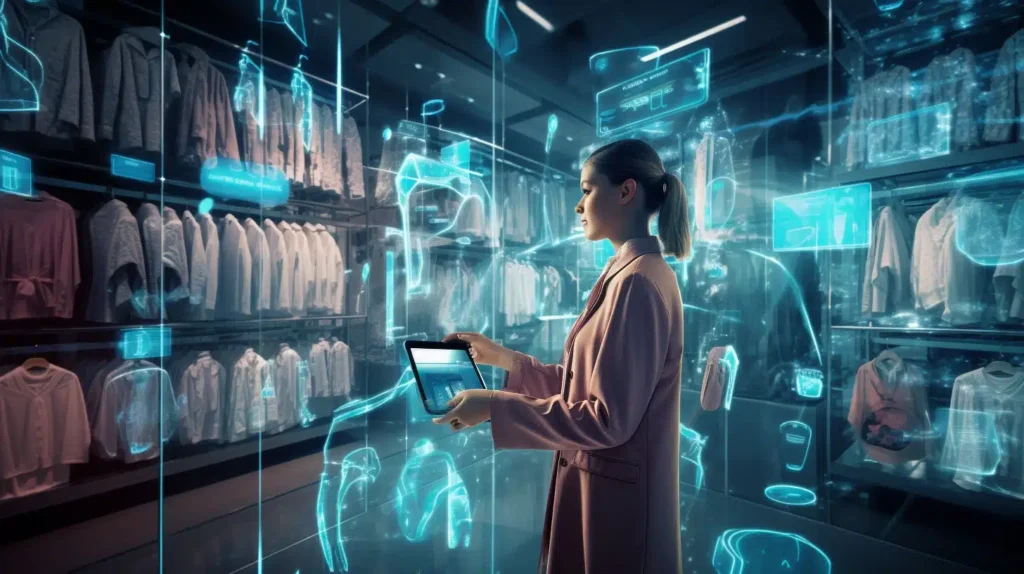
Augmented reality (AR) fitting rooms help shoppers visualise clothing before purchase.
-
E-commerce and mobile apps have transformed how consumers access brands.
Sustainable Technologies
-
Eco-friendly fabrics such as bamboo fibre, recycled polyester, and organic cotton are becoming mainstream.
-
3D printing introduces innovative methods for creating customised accessories and garments with less waste.
-
Smart textiles with sensors that adjust temperature or track activity are redefining functional clothing.
The Economic Impact of Fashion
Fashion is not just cultural and creative; it is also a massive economic driver. The industry contributes significantly to global GDP, generates employment across design, manufacturing, and retail, and fuels tourism in fashion capitals such as London, Paris, and Milan.
-
Job creation: Millions work in textile production, supply chains, modelling, marketing, and retail.
-
Global markets: Emerging economies are becoming fashion powerhouses, influencing trends and manufacturing.
-
Luxury vs affordability: The coexistence of haute couture and mass-produced fashion creates opportunities across all income groups.
Sustainability and Ethical Challenges
One of the most pressing issues in fashion today is sustainability. The industry has long faced criticism for waste, pollution, and exploitative labour. As awareness grows, consumers and designers alike are pushing for ethical and environmentally responsible solutions.
Sustainable Practices
-
Recycling and upcycling garments to extend product life.
-
Supporting slow fashion movements that value quality over quantity.
-
Transparent supply chains that ensure fair wages and safe working conditions.
Consumer Responsibility
Shoppers play a vital role by making conscious choices. Opting for timeless styles, repairing clothes instead of discarding them, and supporting sustainable brands help reduce fashion’s environmental footprint.
The Role of Fashion in Society
Fashion influences more than individuals; it affects society as a whole. It sets standards of beauty, reflects generational shifts, and often becomes intertwined with music, art, and cinema.
-
Generational trends: Each generation defines its own fashion codes, from bohemian movements of the 1960s to digital-inspired styles of Gen Z.
-
Fashion capitals: Cities like London remain global leaders in pushing creativity and nurturing designers.
-
Celebrity influence: Public figures shape trends, with their choices inspiring millions worldwide.
The Future of Fashion
The future of fashion lies in balancing creativity with responsibility. With the rise of digital fashion, customisation, and sustainability, the industry is entering a new era. Inclusivity, eco-consciousness, and innovation will define how fashion continues to evolve in the coming decades.
-
Digital-first experiences: Virtual garments and online communities are growing rapidly.
-
Inclusivity in design: More focus on body positivity, diverse representation, and adaptive clothing.
-
Sustainable evolution: Brands and consumers must work together to create a circular fashion economy.
FAQs
What role does fashion play in everyday life?
Fashion influences how we feel about ourselves and how others perceive us. It allows us to express identity, professionalism, and creativity while adapting to different occasions.
How is technology changing the fashion industry?
From AR fitting rooms to digital runways, technology has transformed shopping experiences and design processes. It also enables innovations like smart fabrics and sustainable materials.
Why is sustainability important in fashion?
Fashion is one of the most resource-intensive industries. Sustainable practices reduce waste, protect the environment, and ensure fair working conditions for labourers.
What are the biggest fashion capitals in the world?
London, Paris, Milan, and New York are widely considered the top fashion capitals, known for hosting influential fashion weeks and nurturing global trends.
How does fashion impact the economy?
The fashion industry creates millions of jobs worldwide, contributes to GDP, drives tourism, and fuels retail markets across all income groups.
What will the future of fashion look like?
Expect more digital clothing, eco-friendly fabrics, and inclusive designs. Fashion will move towards a balance of creativity, technology, and responsibility.
