
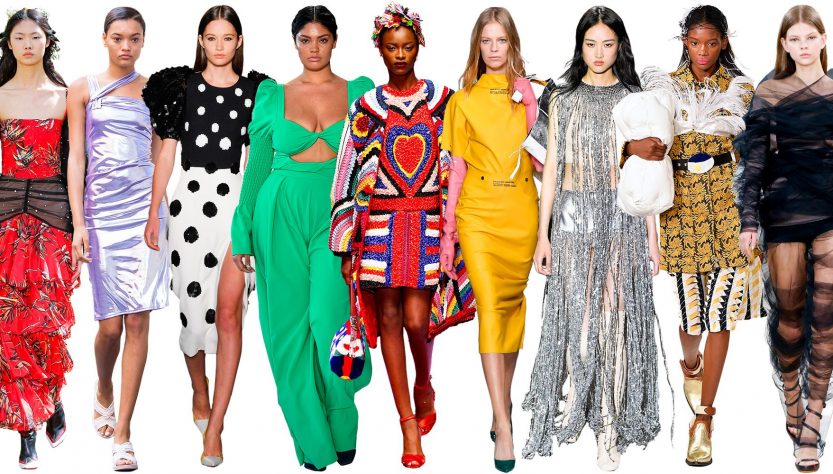
Fashion has always been more than just clothing; it is a language of expression, culture, and identity. From the earliest societies that used garments to signify status, to today’s digital-first world where trends move globally within hours, fashion is a mirror of human creativity and evolution. The keyword fashion not only refers to style but also symbolises innovation, sustainability, and individuality.
The Historical Roots of Fashion
Fashion history stretches back thousands of years. In ancient Egypt, clothing was designed not just for functionality but also as a representation of wealth and class. Greeks introduced draped garments that highlighted beauty in simplicity, while Romans showcased power through togas and elaborate jewellery. During the Middle Ages, fashion became closely tied to social hierarchy, with laws dictating what people could wear based on their class.
By the Renaissance, fashion flourished as an art form. Tailoring advanced, fabrics became more diverse, and clothing reflected wealth, intellect, and status. This historical progression paved the way for today’s thriving global fashion industry.
The Role of Fashion in Society
Fashion is not merely about aesthetics; it communicates identity. Every outfit tells a story, whether it’s cultural heritage, personal beliefs, or professional aspirations.
-
Cultural identity: Traditional clothing preserves heritage while adapting to modern lifestyles.
-
Self-expression: People use fashion to display moods, preferences, and confidence.
-
Social influence: What we wear impacts how others perceive us, shaping opportunities and interactions.
Fashion also responds to social changes. Movements advocating equality, body positivity, and inclusivity have deeply influenced how designers and consumers approach clothing choices.
Fashion as an Economic Powerhouse
The global fashion industry contributes trillions to the world economy. It creates jobs for designers, manufacturers, retailers, and artisans. Luxury markets thrive on exclusivity, while high-street fashion reaches millions of households daily. Beyond clothing, industries like footwear, accessories, and beauty are interconnected, creating a diverse ecosystem.
The rise of e-commerce transformed fashion’s economic power further. Online platforms allow smaller brands to reach international markets, democratising access and offering consumers unprecedented choice.
The Impact of Technology on Fashion
Technology is reshaping the industry in ways unimaginable even two decades ago. From virtual fitting rooms to 3D-printed garments, innovation is making fashion more personalised and efficient.
Digital Fashion
Digital clothing, which exists solely in virtual environments, has emerged as a new frontier. It appeals to those who live much of their lives online and care about their virtual presence. Fashion houses now release digital-only collections, pushing creativity beyond physical boundaries.
Artificial Intelligence
AI assists designers in predicting trends, managing supply chains, and analysing consumer behaviour. Predictive analytics ensure retailers produce what people are likely to buy, reducing waste and increasing profitability.
Sustainable Production
Smart textiles and eco-friendly materials are gaining ground. Organic cotton, recycled polyester, and plant-based fabrics allow the industry to reduce environmental impact while keeping style intact.
Sustainability in Fashion
One of the most pressing challenges in modern fashion is sustainability. The environmental cost of fast production cycles, synthetic materials, and overconsumption is enormous. Sustainable fashion focuses on reducing waste, promoting recycling, and encouraging consumers to make mindful choices.
Key approaches include:
-
Using biodegradable fabrics and natural dyes
-
Encouraging repair and upcycling of garments
-
Promoting circular fashion, where clothing is reused, resold, or recycled
-
Supporting ethical labour practices
Sustainability is no longer a niche movement but a mainstream expectation. Consumers increasingly demand accountability and transparency from fashion brands.
Streetwear and Everyday Style
Streetwear has become a dominant global trend, rooted in urban culture, skateboarding, and music. It reflects youth culture and authenticity, blending comfort with individuality. Oversized hoodies, sneakers, and graphic tees are staples of this movement.
Everyday style has shifted too. The rise of remote work increased demand for versatile clothing that balances comfort with professionalism. Athleisure, blending sportswear with casual wear, has become a wardrobe essential for millions.
Luxury Fashion and Individuality
Luxury fashion thrives on exclusivity and craftsmanship. Hand-sewn garments, limited editions, and bespoke tailoring represent the pinnacle of artistry. Yet, individuality remains central. Today’s consumers often prefer unique pieces that reflect personal identity rather than widely marketed designs.
Luxury houses increasingly balance heritage with innovation, embracing modern values of inclusivity and sustainability while maintaining their timeless appeal.
The Globalisation of Fashion
Globalisation has expanded fashion’s reach across continents. Styles from one region influence another, creating cross-cultural blends. Indian embroidery, Japanese minimalism, African prints, and European tailoring all find their place in wardrobes worldwide.
This exchange enriches creativity while giving local artisans global recognition. Social media platforms have accelerated this process, making fashion trends instantly accessible everywhere.
Fashion and Gender Fluidity
Traditional gender roles in fashion are dissolving. More designers are creating gender-neutral collections that focus on comfort, style, and inclusivity. This shift reflects broader social changes towards equality and acceptance.
Clothing is increasingly viewed as a personal choice rather than a label tied to gender. This liberation allows individuals to explore fashion more freely, expanding creativity in design and self-expression.
Fashion Influenced by Media and Celebrities
Media and celebrity culture remain powerful drivers of fashion trends. From film wardrobes to red carpet looks, what public figures wear quickly becomes aspirational for millions. Social media influencers amplify this effect by showcasing real-life styling tips and brand collaborations.
The speed at which trends spread has increased dramatically. A style showcased on a runway or posted online can inspire global demand within hours.
Future of Fashion
The future promises an even greater blend of technology, sustainability, and creativity. With digital reality, smart textiles, and customised production, fashion is set to become more interactive and personal. Global awareness of environmental issues will continue to shape purchasing habits, making responsible fashion choices a permanent expectation.
What the future may hold
-
Widespread use of AR and VR in shopping
-
Fully sustainable production cycles
-
On-demand tailoring using AI and body scanning
-
Greater integration of traditional craft with modern innovation
FAQs About Fashion
Why is fashion important in daily life?
Fashion impacts confidence, communication, and comfort. It helps people express who they are and influences how they are perceived by others.
How does fashion affect culture?
Fashion reflects cultural traditions, values, and social changes. It also allows cultural exchange through global trends, giving communities visibility and recognition.
What role does technology play in modern fashion?
Technology supports sustainable production, personalisation, and virtual experiences. It also helps predict trends and reduce overproduction.
How can consumers support sustainable fashion?
By choosing durable garments, supporting ethical brands, recycling clothes, and avoiding unnecessary purchases, consumers contribute to sustainability.
Is luxury fashion still relevant in a digital age?
Yes, luxury fashion remains relevant because it offers exclusivity, craftsmanship, and identity. However, it is adapting to digital and sustainable demands.
What are the upcoming trends in fashion?
Gender-neutral clothing, digital fashion, and eco-friendly fabrics are expected to dominate, along with increased use of artificial intelligence in production and design.
